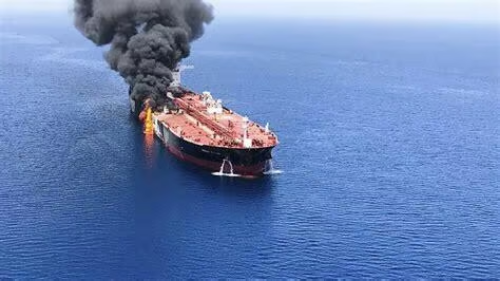
Iran has been targeting ships in and around the Strait of Hormuz since September 1, with roughly fifty vessels hit, most of which were tankers. While this may seem like a minor issue given the large number of tankers in the world fleet, the impact is more significant than it appears. The Strait of Hormuz is a critical passage for the global economy, with a substantial portion of the world's polyethylene, methanol, and fertilizer exports passing through it.
The Middle East is the world's largest exporter of polyethylene, with 84 percent of the region's polyethylene capacity dependent on the Strait of Hormuz to reach the sea. Additionally, the region supplies a significant amount of naphtha, propane, and butane to Asia's plastics plants. The Gulf also exports large quantities of methanol, urea, and ammonia, which are essential for the production of various chemicals and fertilizers.
Unlike crude oil, which has alternative routes and strategic reserves, petrochemicals have no such safety nets. The plants that produce these materials are located on the Gulf coast and are designed to load ships, not pipelines. As a result, the disruption to petrochemical supplies has a more significant impact on the global economy. The smaller product tankers and chemical tankers that transport these materials are also more financially fragile and are being deterred by increasing war-risk premiums.
The effects of the disruption are already being felt, with UN data showing significant declines in Middle East exports of methanol, urea, and ammonia.