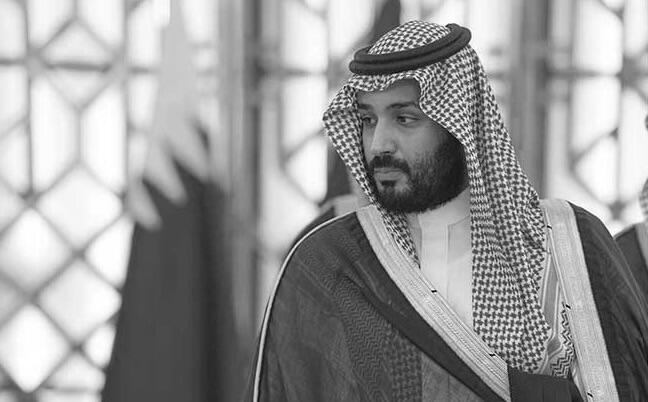
According to an article by Brian McGlinchey, the Kingdom of Saudi Arabia is facing a rising probability of regime change due to financial strains, demographics, military failures, and simmering domestic discontent. The concentration of power by Crown Prince Mohammad bin Salman, who became crown prince in 2017, has radically altered the traditional power-sharing arrangement among the Saudi royal family and has offended various constituencies, including the reactionary religious establishment.
The traditional arrangement that held Saudi Arabia together since its founding in 1932 included power-sharing among the royal family branches, integration of the Wahhabi religious establishment into the government, and tribal loyalty secured through patronage and influence.
However, MBS's consolidation of power has disrupted this balance, leading to potential instability. MBS's actions, including the imprisonment and alleged abuse of hundreds of Saudi royals and top business leaders, as well as his liberalization and Westernization agenda, have created enemies among the royal family and the religious establishment.
The country's financial situation, as a rentier state relying heavily on resource sales, also poses a significant challenge. Former US ambassador to Saudi Arabia Chas Freeman noted that MBS has offended virtually every constituency of the royal family and the reactionary religious establishment, making him a lot of enemies.
The combination of these factors has raised questions about the future of the Saudi monarchy, with possibilities ranging from MBS's removal by fellow royals to the collapse of the kingdom altogether.