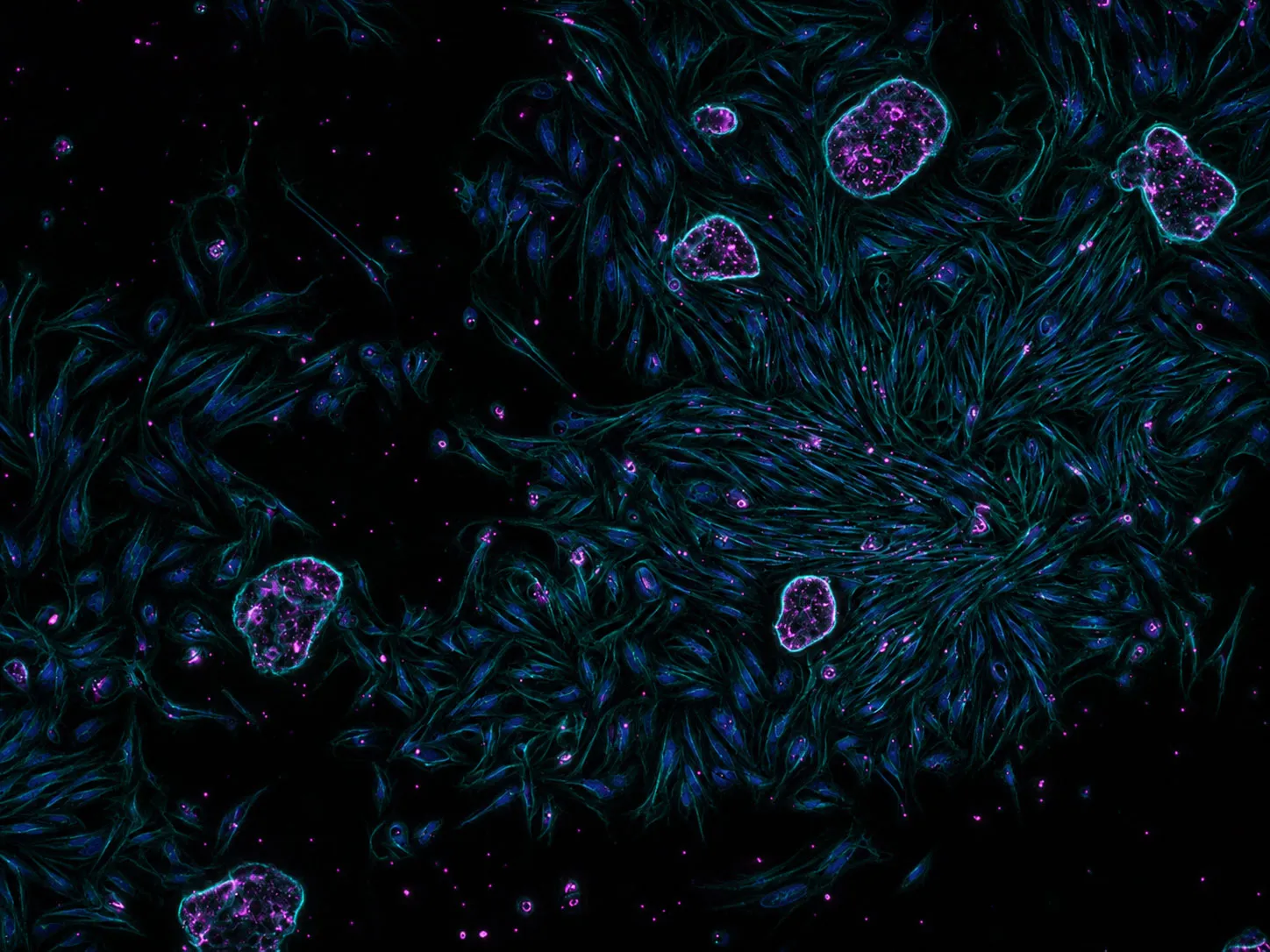
NASA is conducting an investigation called Encapsulate-1 aboard the International Space Station to study how cancer cells move and interact in microgravity. The study utilizes patient-derived tumor samples grown within biochips provided by Encapsulate Inc.
This research aims to better understand the behavior of cancer cells in a microgravity environment, which could lead to new discoveries. The International Space Station, orbiting over 200 miles above Earth, provides a unique setting for this research, enabling scientists to conduct experiments that are not possible on Earth.
The space station's microgravity environment allows for the growth of gastric microtumors within the biochips, which can help researchers gain a deeper understanding of cancer cell behavior. The ultimate goal of the Encapsulate-1 investigation is to develop further testing that can predict a patient's risk of metastasis, supporting more personalized cancer treatments.
By unlocking the secrets of cancer cell behavior in microgravity, researchers hope to make significant advancements in the field of cancer research and treatment. The study's findings have the potential to improve our understanding of cancer and lead to more effective treatments.