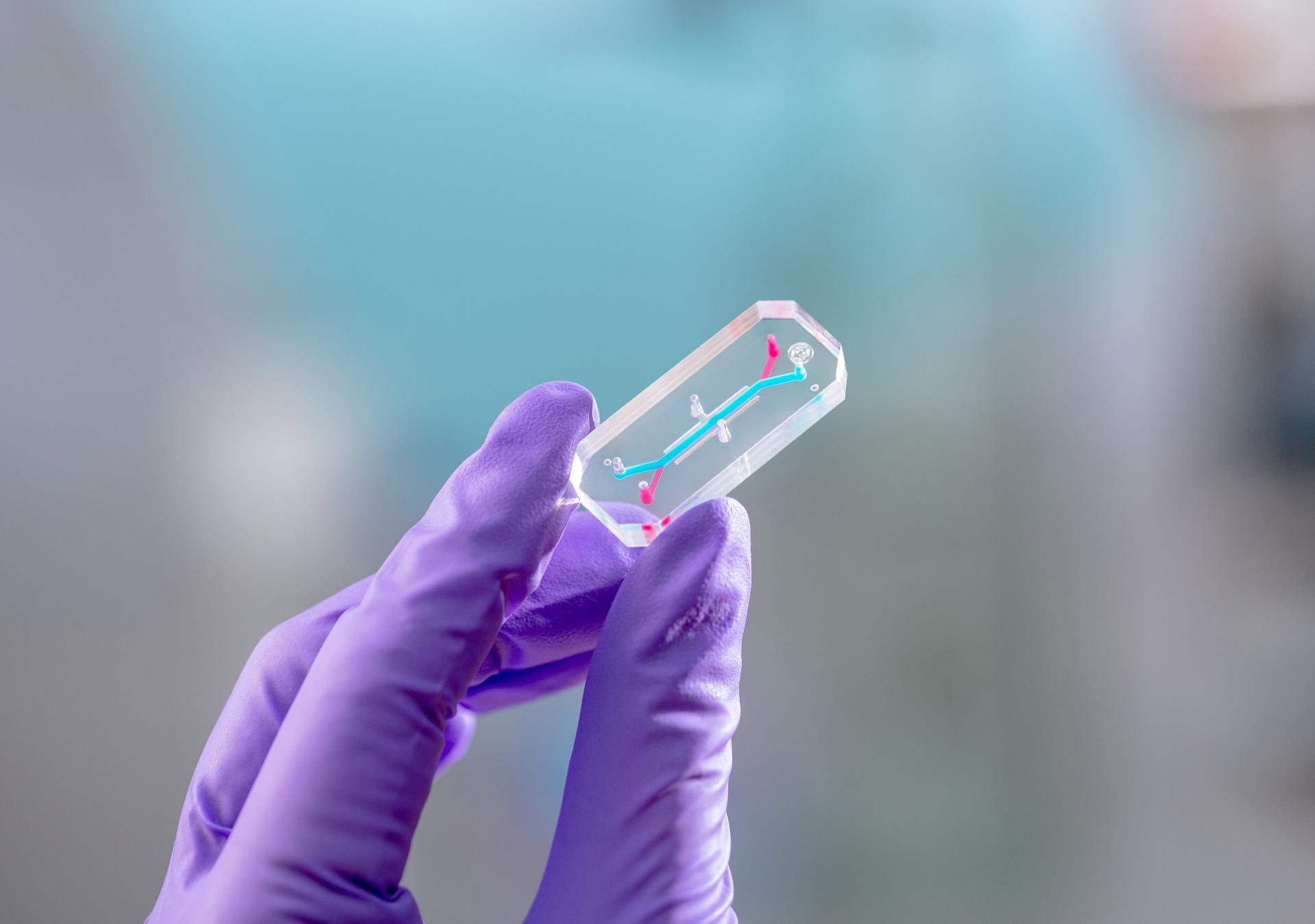
NASA is preparing for long-duration deep space missions and is working to protect individual crew members with personalized health strategies. The AVATAR investigation, which flew aboard the Artemis II mission, used organ-on-a-chip devices to study the effects of increased radiation and microgravity on human health.
This experiment marks a significant milestone in using personalized biological insights to inform medical kits and countermeasures for future deep space missions. To accelerate biological discovery and predict individual astronaut health outcomes, the program is inviting the scientific community to apply innovative computational digital twin technologies through the BPS Digital AVATAR Challenge.
The challenge aims to develop individualized computational physiological models that can simulate and predict how a specific individual will respond to spaceflight stressors. The challenge offers a total of $150,000 in prizes, with registration open until February 12, 2027.
The goal of the challenge is to develop systems that can model each astronaut's immune and bone marrow hematopoietic responses to spaceflight, generating tailored health predictions and distinguishing individual-specific effects from common effects across the crew.