Skywatching Skywatching Home What’s Up Meteor Showers Eclipses Daily Moon Guide More Tips & Guides Skywatching FAQ Night Sky Network Meteor Showers, a Spacecraft Milestone, and a Supermoon Catch Taurid and Leonid meteors, spot Mars near Jupiter, celebrate Voyager 1’s light-day milestone, and watch November’s supermoon.
Skywatching Highlights Around Nov. 5: Southern Taurids peak; occasional bright fireballs Around Nov. 12: Northern Taurids peak; around five meteors per hour under ideal conditions Nov. 15-16: Mars and Jupiter appear 1.2 degrees apart before sunrise Nov.
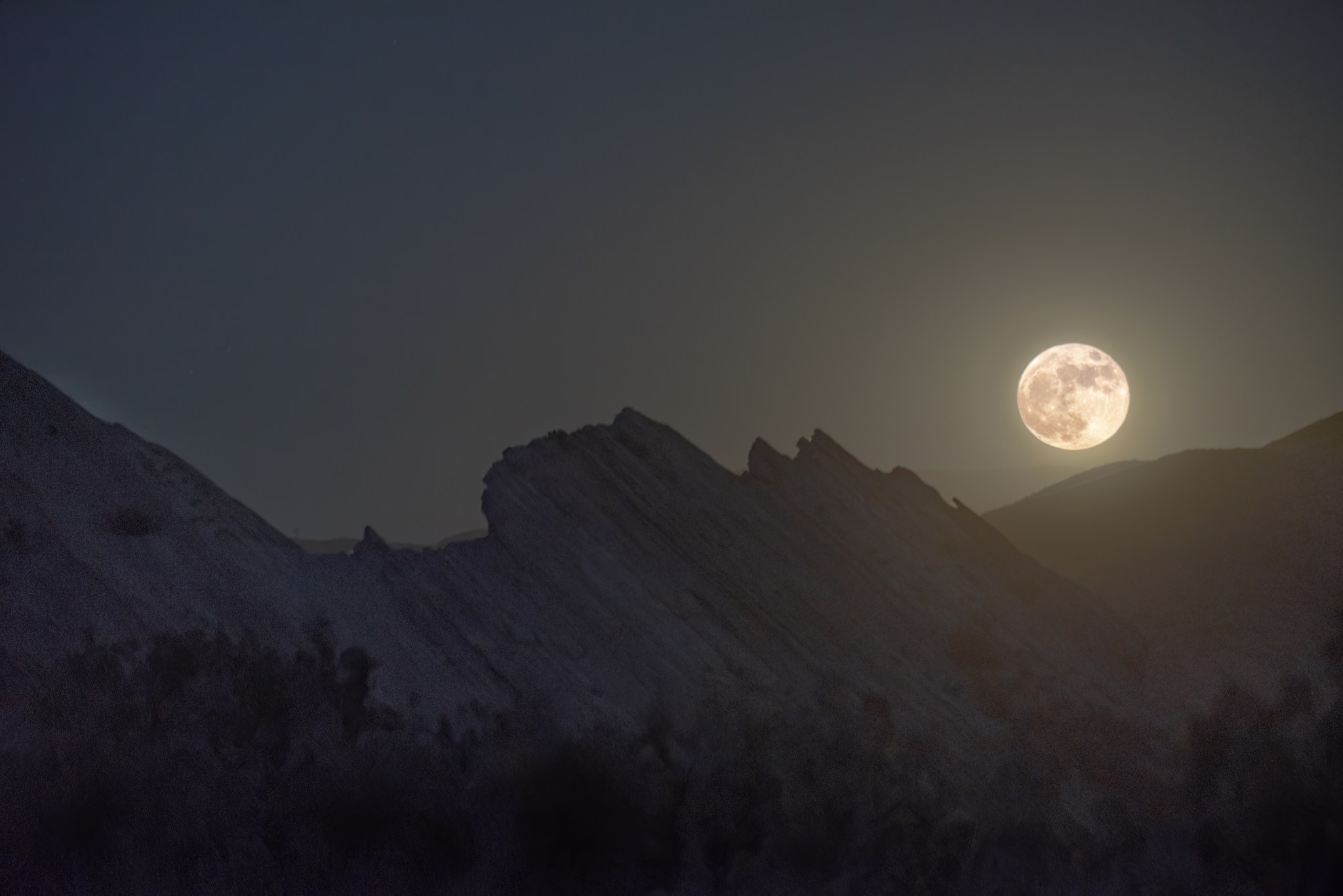
17: Shine Bright for Voyager’s Light-Day activation Nov. 17-18: Leonids before dawn after moonset; up to around 15 meteors per hour under ideal conditions Nov. 24: Full supermoon; first in a series of three consecutive supermoons A full Moon rises over Vasquez Rocks Natural Area and Nature Center north of Los Angeles, California, on June 24, 2021.
Credit: NASA/Preston Dyches Transcript A month of meteor showers … a close
5: Southern Taurids peak; occasional bright fireballs Around Nov. 12: Northern Taurids peak; around five meteors per hour under ideal conditions Nov. 15-16: Mars and Jupiter appear 1.2 degrees apart before sunrise Nov. 17: Shine Bright for Voyager’s Light-Day activation Nov. 17-18: Leonids before dawn after moonset; up to around 15 meteors per hour under ideal conditions Nov.
24: Full supermoon; first in a series of three consecutive supermoons A full Moon rises over Vasquez Rocks Natural Area and Nature Center north of Los Angeles, California, on June 24, 2021. Credit: NASA/Preston Dyches Transcript A month of meteor showers … a close pairing of Mars and Jupiter … and a supermoon! That’s What’s Up for November.
November offers a buffet of opportunities to see a meteor streak across the sky! The Southern Taurids peak around November 5th, followed by the Northern Taurids around November 12th. Those names refer to the two areas in the constellation Taurus, where the meteors appear to originate.
Each Taurid shower produces only a handful of meteors per hour—around five, under ideal conditions—but an occasional bright fireball can make the wait worthwhile. A sky chart showing where to look for the Leonids in November 2026. NASA/JPL-Caltech Next up are the Leonids. For the best viewing times, try the early morning hours of November 17th and 18th, after the Moon sets.