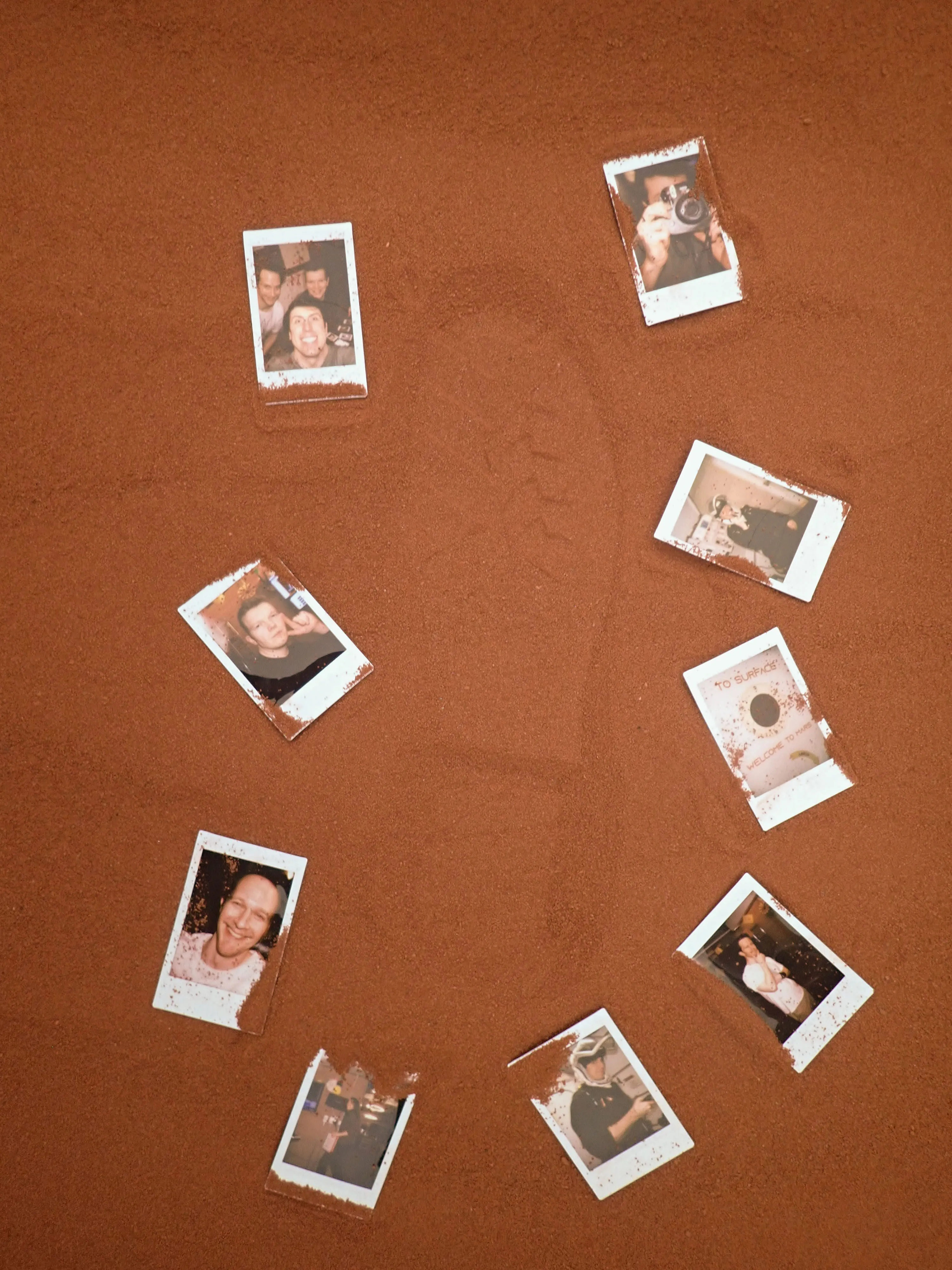
NASA's Crew Health and Performance Exploration Analog (CHAPEA) Mission 2 crew has completed a 378-day isolation period in a facility at the agency's Johnson Space Center in Houston. The crew exited their habitat on October 31, marking the end of their prolonged period of isolation.
During their time in the habitat, the crew participated in a simulation that included arranging photos around a boot print in simulated Martian sand on August 31, 2026. The data collected from the CHAPEA Mission 2 simulation will be used to help NASA develop methods to counter the risks associated with human spaceflight.
This research is particularly relevant to future Artemis and Moon Base missions, as it will inform strategies to mitigate the effects of long-term space travel on the human body. The simulation provided a unique opportunity for NASA to study the effects of prolonged isolation on the crew's health and performance.
The completion of the CHAPEA Mission 2 marks an important milestone in NASA's efforts to prepare for future deep space missions. The agency will likely use the data collected from the simulation to inform the development of new technologies and strategies to support the health and well-being of astronauts on long-duration spaceflights.
The research conducted during the CHAPEA Mission 2 will contribute to NASA's ongoing efforts to advance our understanding of the effects of space travel on the human body.