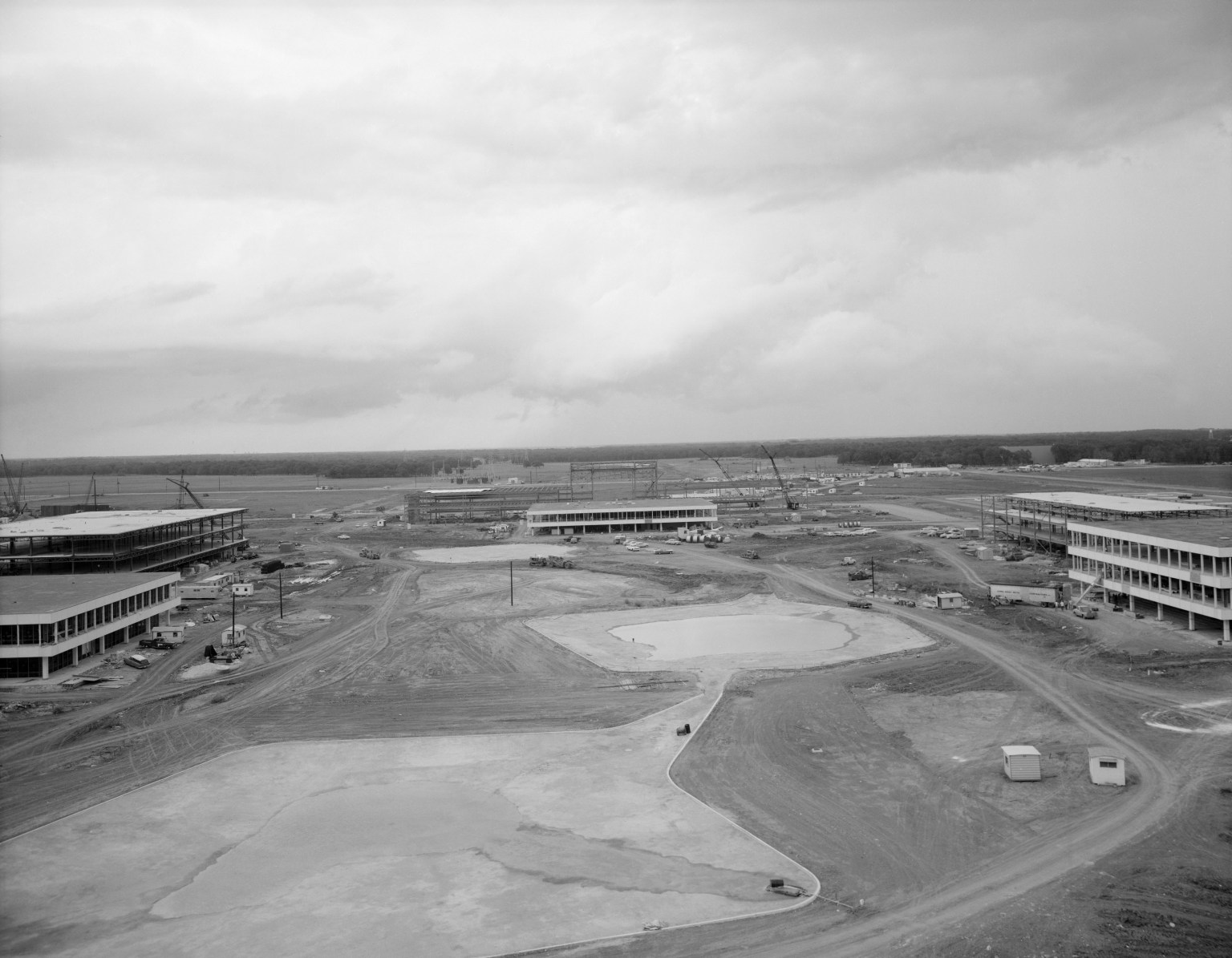
NASA's Johnson Space Center is celebrating 65 years of leading the nation's human spaceflight program. The center was established on November 1, 1961, as the Manned Spacecraft Center, with the goal of supporting human spaceflight missions, including Project Mercury and the Apollo program.
Over the years, the center has undergone significant changes and expansions, with new buildings and facilities being added to meet the demands of new spaceflight programs. Today, the Johnson Space Center serves as NASA's Center of Excellence for Human Spaceflight, and is home to the astronaut corps, the Mission Control Center, and teams working on some of humanity's greatest achievements in space.
The center is also involved in various programs, including the Low Earth Orbit Program, the Moon Base Program, and the Orion Program, as well as research on human health and performance in space. The center's workforce is helping to usher in a new era of innovation and discovery in space exploration.
The Johnson Space Center has a rich history, with notable milestones including the construction of the Project Management Building in 1962 and the establishment of the Lunar Receiving Laboratory in 1966. The center has also been involved in significant spaceflight missions, including the Apollo program, and has played a crucial role in the development of spacewalk training and lunar geology training.
The center continues to evolve and grow, with new facilities and programs being developed to support future spaceflight missions.