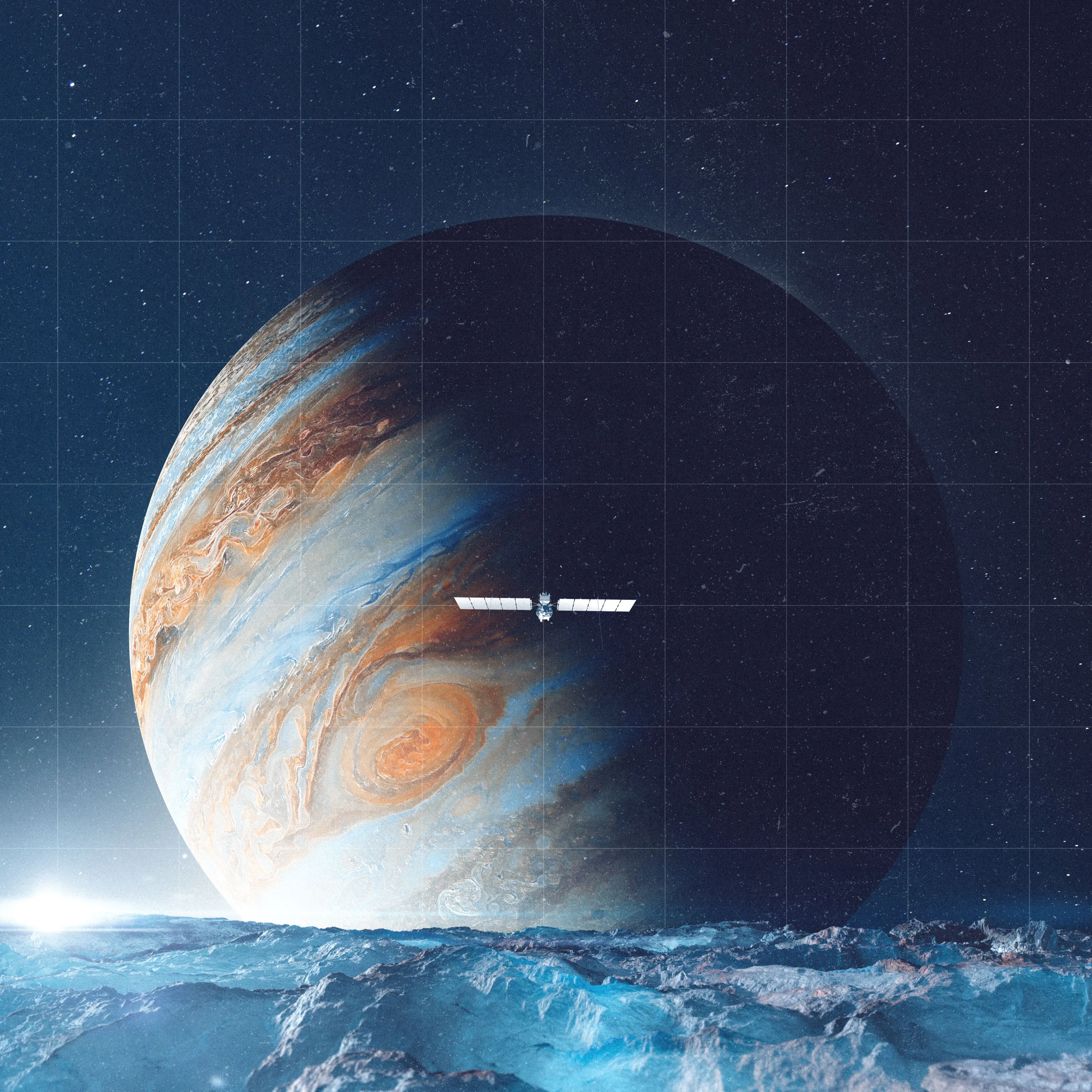
4 min read Preparations for Next Moonwalk Simulations Underway (and Underwater) The NASA+ original documentary “The Europa Concept” takes audiences along on the journey to send a spacecraft to Jupiter’s moon Europa to determine whether the ocean beneath the moon’s icy shell has the ingredients for life.
Credit: NASA/JPL-Caltech NASA invites the world behind the scenes to witness the story of Europa Clipper’s journey from a far-off vision to a cutting-edge deep space exploration mission with the release of the agency’s newest documentary, “The Europa Concept.” The documentary will air on NASA+ , the NASA app, and the agency’s website starting Monday, Nov.
23, and is coming soon to YouTube. It took decades of science, thousands of dedicated minds, endless creativity, and a whole lot of grit to get the Europa Clipper spacecraft to the launch pad in 2024. Now the orbiter, the largest NASA has ever sent into deep space, is two years into its five-year, 1.8 billion-mile (2.
Credit: NASA/JPL-Caltech NASA invites the world behind the scenes to witness the story of Europa Clipper’s journey from a far-off vision to a cutting-edge deep space exploration mission with the release of the agency’s newest documentary, “The Europa Concept.” The documentary will air on NASA+ , the NASA app, and the agency’s website starting Monday, Nov.
23, and is coming soon to YouTube. It took decades of science, thousands of dedicated minds, endless creativity, and a whole lot of grit to get the Europa Clipper spacecraft to the launch pad in 2024.
Now the orbiter, the largest NASA has ever sent into deep space, is two years into its five-year, 1.8 billion-mile (2.9 billion-kilometer) journey to the Jupiter system, where it will conduct flybys of Europa in search of the conditions for life in the vast ocean thought to hide beneath the moon’s icy surface.
“The things we will learn from Europa Clipper will be so sensational, so fantastic, that everyone will be screaming for the next mission,” said Curt Niebur, program scientist in the Planetary Science Division at NASA Headquarters in Washington.