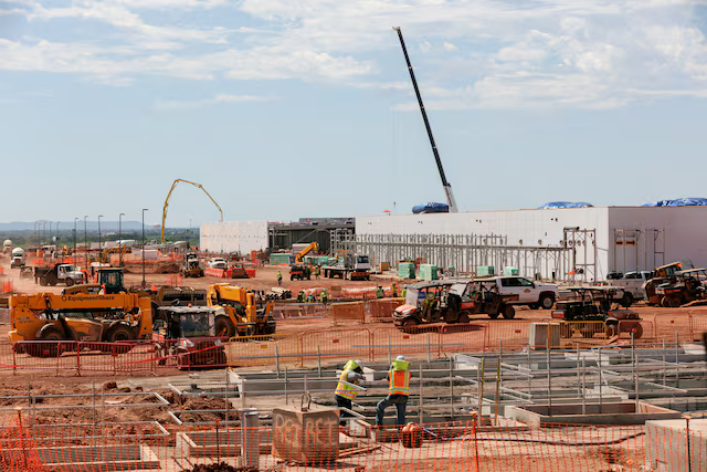
OpenAI to drop non-disclosure agreements with public officials in future site talks
Residents to get access to construction plans and projected traffic, noise and lighting effects
One southern Ohio facility could create 2,500 long-term jobs averaging $80,000 annually, exec says
SAN FRANCISCO, Nov 5 (Reuters) - Stunning victories by Democrats in US midterm elections this week have been interpreted by many as Americans repudiating tech industry plans to build data centers across the country. OpenAI has now embarked on new strategies to change their minds.
The AI lab on Thursday laid out policies — in the works since August — intended to help the company build more trust with local communities and convince them that data centers will benefit them.
The Reuters Daily Briefing newsletter provides all the news you need to start your day. Sign up here.
OpenAI said it will no longer use non-disclosure agreements with public officials when negotiating or discussing future sites, although proprietary information would still be under wraps. It will also give residents access to construction plans and their potential effect on traffic, noise and lighting.
OpenAI's chief global affairs officer Chris Lehane also said that these centers would be a source of ongoing jobs because the hardware within the data center would need to be updated every three to five years.
"These projects are not the types of data centers that people have historically thought about, which are some version of a black box in a pasture that did very little in terms of the economic utility for the communities they were in," he told reporters.
One OpenAI facility, opens new tab in southern Ohio is expected to create 2,500 long-term jobs with an average annual salary of $80,000, he said.
Partners such as Oracle (ORCL.N), opens new tab are building and own much of OpenAI's data center infrastructure, with the capacity dedicated to the startup.
DATA CENTER OPPONENTS MAKE BIG GAINS
In some of the biggest upsets of the elections, Democrats flipped governorships in Texas, Georgia and Ohio with candidates who have promised to pause new data center permits and tighten construction rules.
And of the 41 data center-related ballot measures voted on this week, all but one went against data centers, according to Ballotpedia., opens new tab
Shares of data center operators and power companies that have been among the biggest beneficiaries of the AI building boom also tumbled on Wednesday as investors bet the Democratic sweep could bring tougher permitting, higher costs and a slower pace of construction.
"We need to do a better job of really communicating to people, to local communities, about why data centers can be beneficial to them," OpenAI President Greg Brockman said at a separate event on Wednesday.
OpenAI officials, along with many of their peers in tech, have spent the last two years trying to build ties with the administration of US President Donald Trump in hopes of shaping federal policy around AI.
OpenAI CEO Sam Altman donated $1 million to Trump's inaugural committee and later attended Trump's second inauguration. Last year, Brockman donated $25 million in his personal capacity to a Trump super PAC.
When asked about how the company would address skepticism from some Democrats, Lehane pointed to his extensive experience in the party. During the Clinton administration, he served as a top lawyer and spokesperson and he was also press secretary for Vice President Al Gore when he made his run for president.
Reporting by Deepa Seetharaman in San Francisco; Editing by Edwina Gibbs