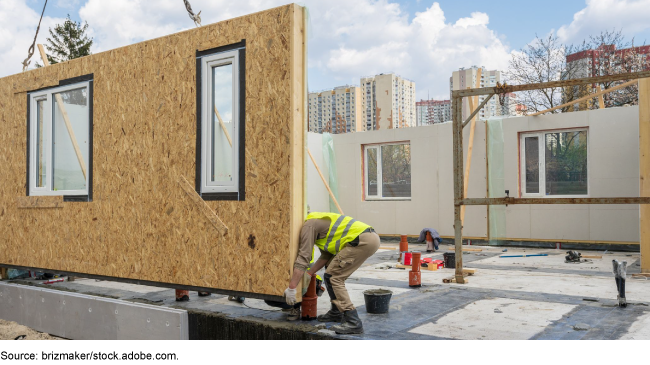
What GAO Found Numerous housing construction technologies could help improve production, reduce costs, and potentially increase supply and affordability. Some technologies are mature but not widely adopted, and others are new or emerging. These technologies can be grouped into three categories: planning and design, construction means and methods, and building materials and components.
Examples are shown in the figure below. Examples of housing construction technologies Benefits of housing construction technologies such as these may include: Faster construction and enhanced efficiency. For example, building a house or some of its components off-site in an efficient, controlled environment can reduce the overall project time.
Reduced costs. For example, automated technologies that cut lumber to precise dimensions can reduce costs by minimizing waste. Improved decision-making and regulatory oversight.
These technologies can be grouped into three categories: planning and design, construction means and methods, and building materials and components. Examples are shown in the figure below. Examples of housing construction technologies Benefits of housing construction technologies such as these may include: Faster construction and enhanced efficiency.
For example, building a house or some of its components off-site in an efficient, controlled environment can reduce the overall project time. Reduced costs. For example, automated technologies that cut lumber to precise dimensions can reduce costs by minimizing waste. Improved decision-making and regulatory oversight.
Software tools that use land and regulatory data can help planners understand how local policy decisions can inform housing construction outcomes. Challenges limiting broader adoption and use of construction technologies include: Regulatory challenges. More than 20,000 jurisdictions administer residential building codes, requiring significant time, labor, and money to comply.
Workforce and education gaps. Training on new technologies requires staff, time, and money that builders may not have. Financial challenges. New technologies can have high up-front costs that are more than traditional construction methods for both builders and consumers.