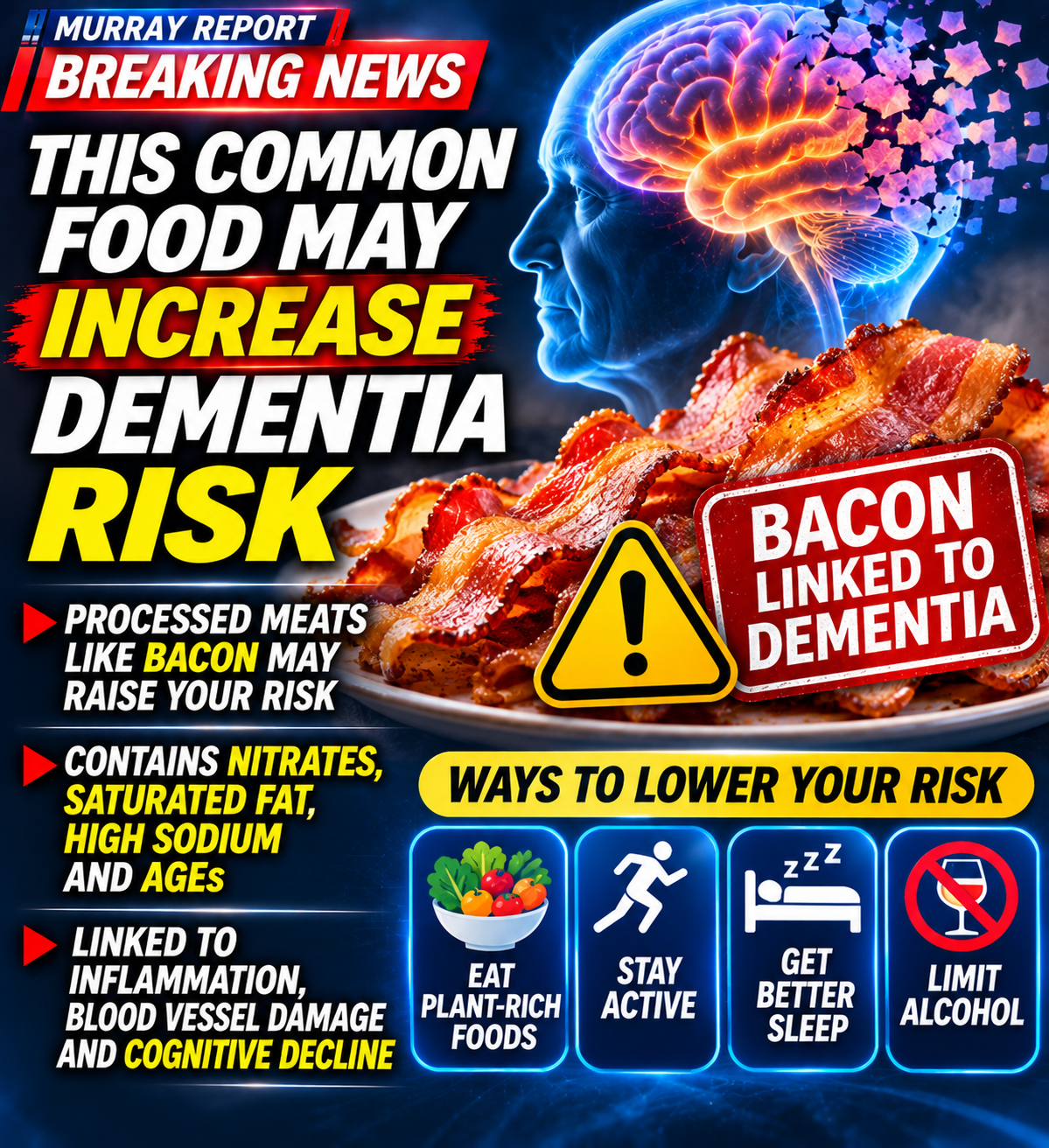
HEALTH NEWS — One of America's most popular breakfast foods is attracting renewed scrutiny as nutrition researchers investigate a possible connection between processed meat consumption and dementia.
Bacon, a staple in many American households, contains several substances that scientists have associated with cardiovascular problems, inflammation, and other conditions potentially linked to declining brain health.
With the number of new dementia cases in the United States projected to double by 2060, researchers are increasingly examining how everyday dietary choices may influence the likelihood of developing cognitive disorders later in life.
Experts emphasize that eating bacon does not automatically cause dementia. However, regularly consuming processed meats may contribute to a broader pattern of health risks.
Why Scientists Are Concerned About Bacon
One concern involves the preservatives commonly added to processed meats.
Bacon frequently contains nitrates or nitrites, which are used during curing and preservation.
Although nitrates also occur naturally in vegetables, certain conditions involving processed meats and high-temperature cooking can promote the formation of potentially harmful N-nitroso compounds.
Researchers have linked some of these substances to inflammatory and metabolic processes, including insulin resistance and oxidative stress.
These processes are also being investigated for their possible roles in cognitive decline and neurodegenerative disease.
Nutrition expert Anne Danahy explained that the presence of naturally occurring nitrates in vegetables should not be confused with the potential effects of compounds formed in processed meat.
The overall food source, cooking method, and dietary pattern all matter.
Saturated Fat Could Affect Blood Flow to the Brain
Another concern is bacon's saturated fat content.
Excessive saturated fat consumption can increase LDL cholesterol, potentially contributing to blood vessel damage and cardiovascular disease.
Healthy blood circulation is essential for brain function because brain cells depend on a continuous supply of oxygen and nutrients.
Damage to the vascular system can increase the risk of certain forms of cognitive impairment, including vascular dementia.
According to the report, just two slices of bacon can provide approximately 18% of the American Heart Association's recommended daily saturated fat limit.
Experts recommend replacing some saturated fats with unsaturated fats found in foods such as nuts, seeds, and olive oil.
High Sodium Intake Raises Additional Concerns
Bacon also contains substantial amounts of sodium.
A typical cooked slice can contain nearly 200 milligrams, making frequent consumption a potential contributor to excessive daily sodium intake.
Consuming too much sodium can contribute to elevated blood pressure, particularly in susceptible individuals.
Over time, uncontrolled high blood pressure may damage blood vessels supplying the brain, increasing the risk of stroke and vascular cognitive impairment.
For most adults, general dietary guidance recommends limiting sodium to less than 2,300 milligrams per day.
Cooking Bacon at High Temperatures May Create Harmful Compounds
Researchers are also studying advanced glycation end products, commonly called AGEs.
These compounds can form during high-temperature cooking and may contribute to inflammation and oxidative stress.
Studies have investigated whether AGEs are involved in biological processes associated with Alzheimer's disease, including abnormal protein accumulation.
However, the presence of these compounds in cooked foods does not establish that eating bacon directly causes Alzheimer's disease.
Scientists continue to examine how dietary exposure, metabolism, genetics, and other health factors interact over time.
Study Links Replacing Processed Meat With Plant Protein to Lower Risk
The report highlights research published in Neurology in 2025 examining dietary choices and dementia risk.
According to the findings cited, replacing one daily serving of processed meat with nuts or beans was associated with a 19% lower risk of dementia.
The result suggests that replacing processed meats with plant-based proteins may support long-term brain health.
However, the association does not prove that the dietary substitution alone prevents dementia.
Researchers also recommend dietary patterns rich in vegetables, fruits, whole grains, legumes, nuts, and healthier fats.
The Mediterranean and MIND diets have received considerable scientific attention for their potential connections to better cognitive outcomes.
Brain Health Depends on More Than Diet
Experts caution that dementia develops through a complex combination of factors.
Age, genetics, cardiovascular health, physical activity, sleep quality, and other lifestyle circumstances can influence a person's overall risk.
Several habits may help support cognitive health:
Eat more whole foods: Emphasize vegetables, fruit, legumes, nuts, whole grains, and unsaturated fats.
Remain physically active: Regular exercise supports cardiovascular and metabolic health.
Prioritize sleep: Consistent, adequate sleep plays an important role in memory and normal brain function.
Limit alcohol: Reducing alcohol consumption can help lower several long-term health risks.
Manage cardiovascular conditions: Controlling high blood pressure, diabetes, and elevated cholesterol can help protect blood vessels supplying the brain.
Should Americans Stop Eating Bacon?
Nutrition experts are not suggesting that an occasional serving of bacon will inevitably result in dementia.
Instead, the research raises concerns about frequent processed meat consumption, particularly when it forms a substantial part of an otherwise unhealthy diet.
Reducing processed meats and choosing more nutrient-rich alternatives may be a practical step toward improving cardiovascular and brain health.
Scientists also caution that much of the evidence linking processed meat consumption to dementia comes from observational research, which cannot independently establish cause and effect.
As researchers continue investigating the relationship between diet and cognitive decline, the central message remains that maintaining a healthy brain depends on an overall pattern of beneficial habits rather than eliminating one particular food.
Source: EatingWell — Nutrition and Dementia Risk Report
Murray Report | Health & Medical News